



Table of Contents
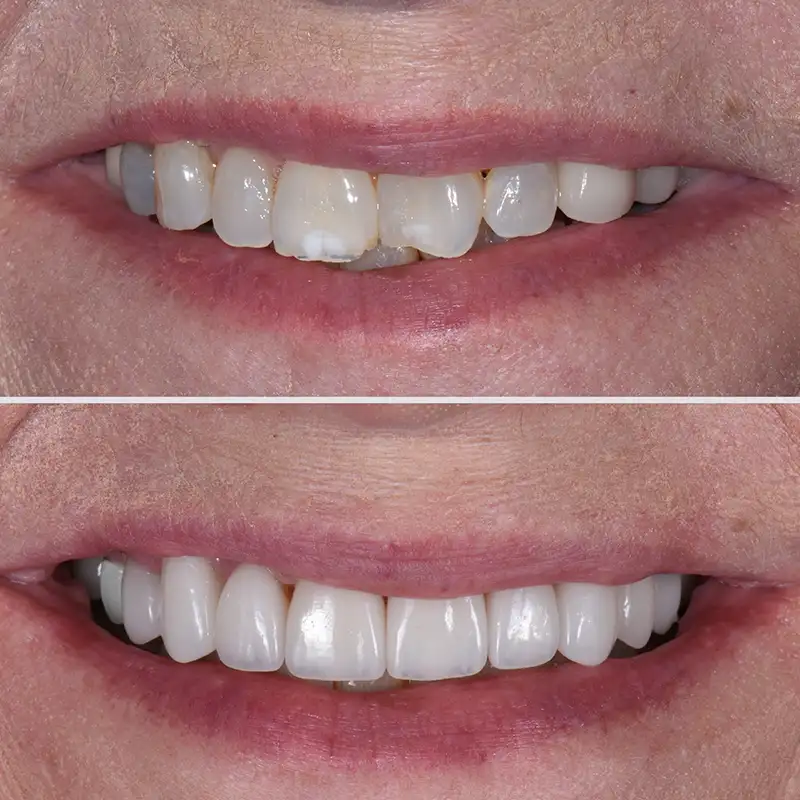
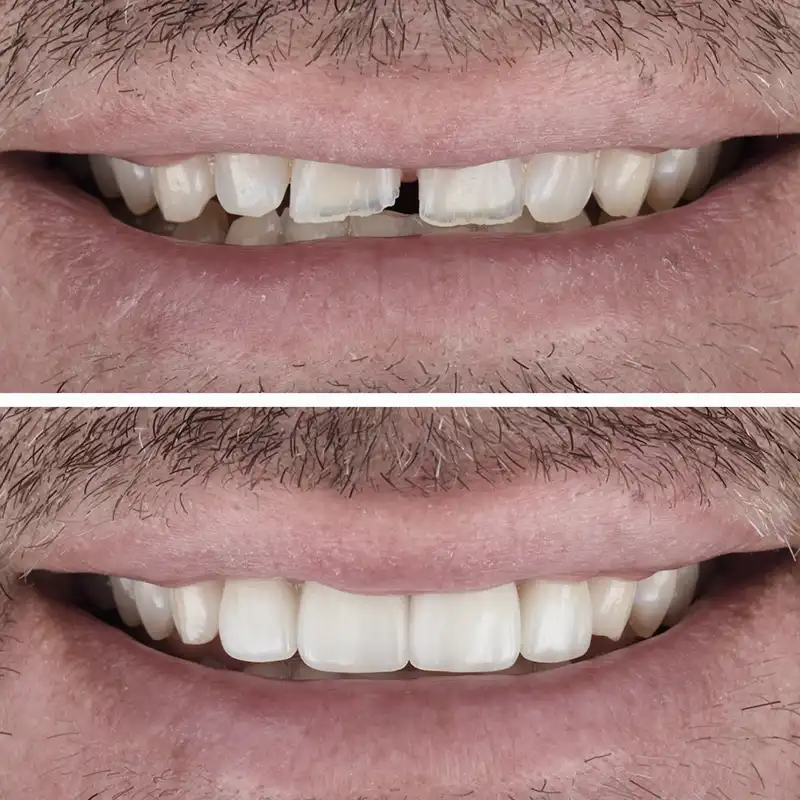
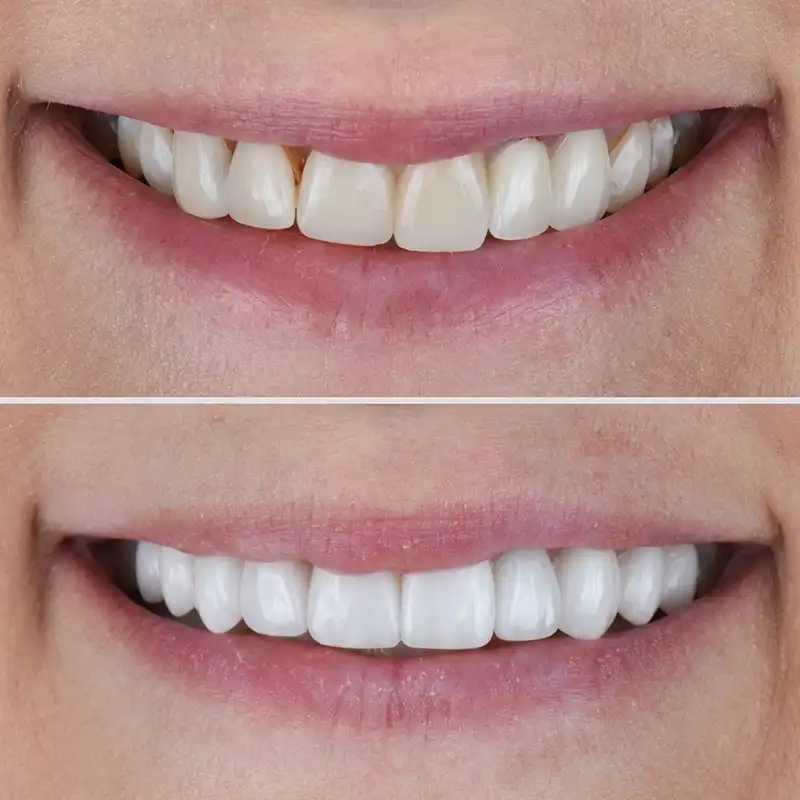
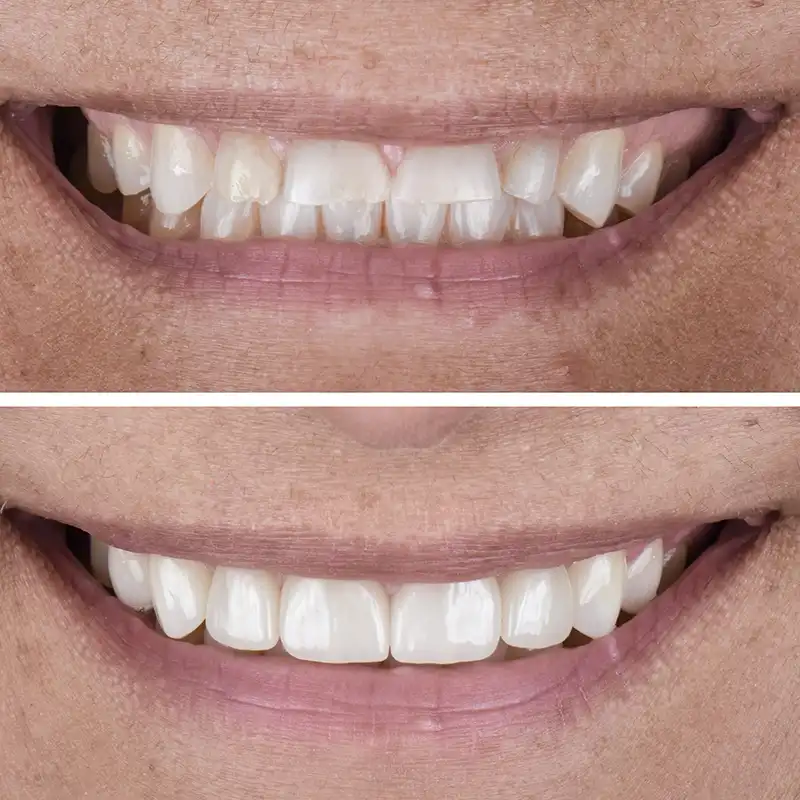
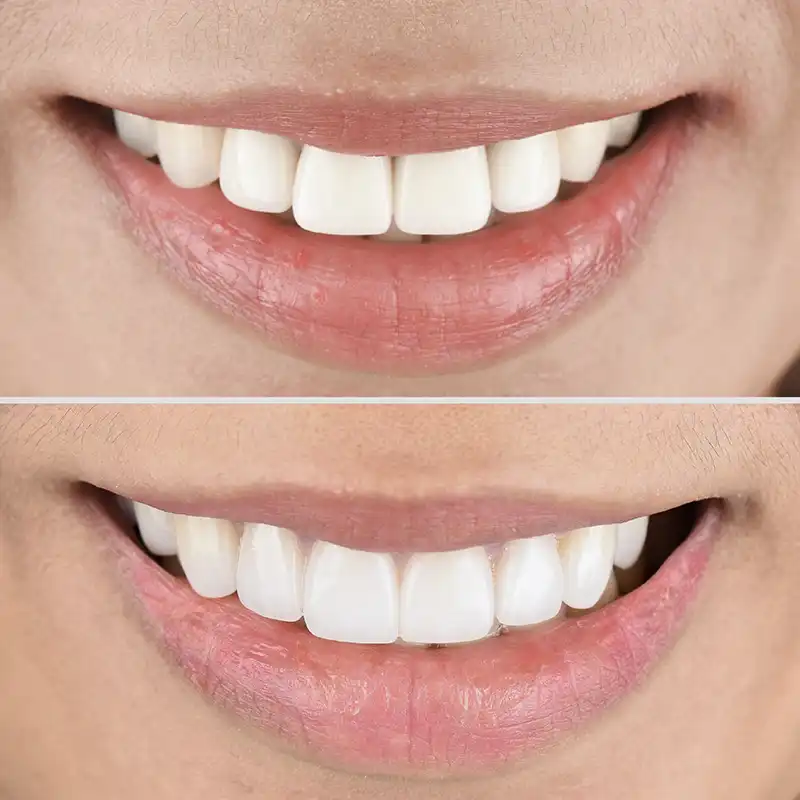
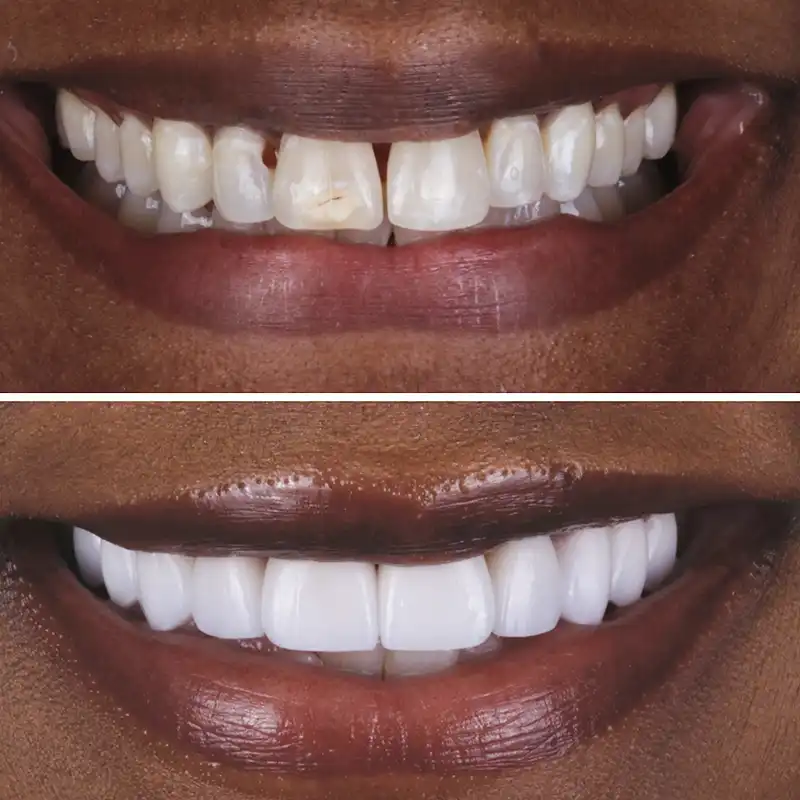
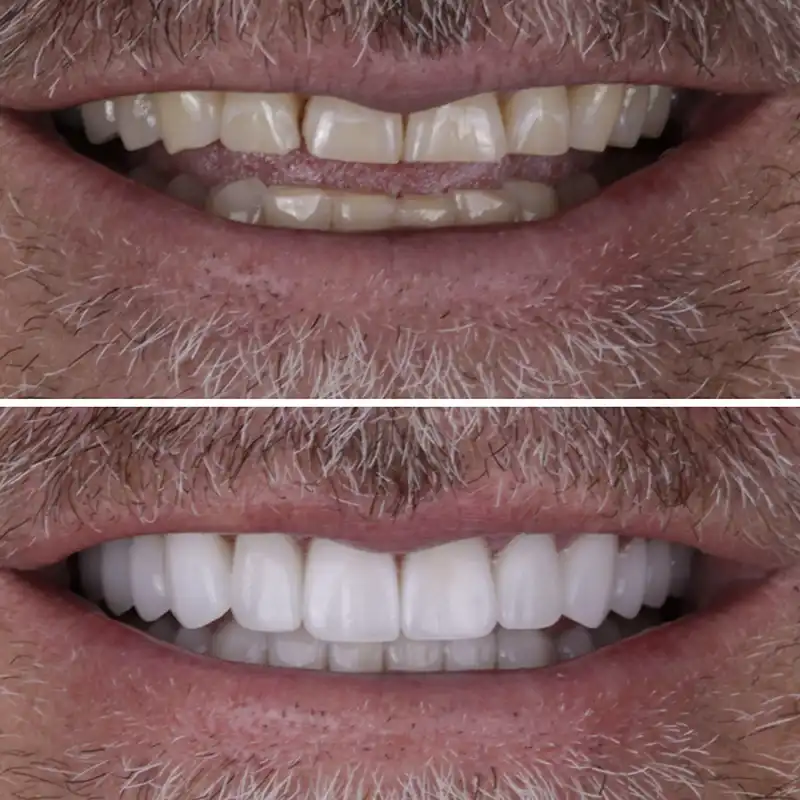
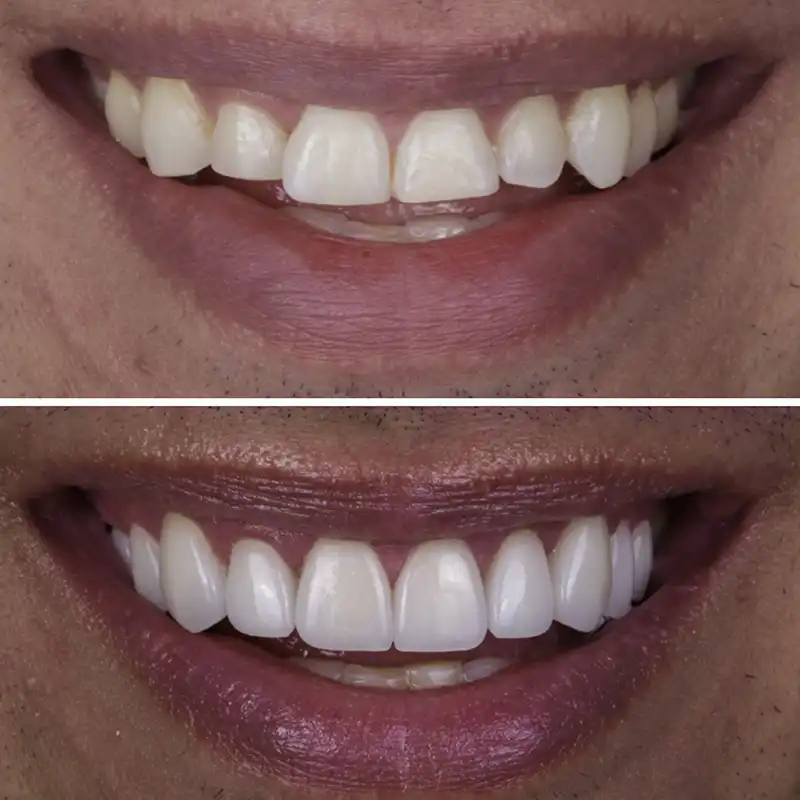
Vegas Smile Suite Before & Afters
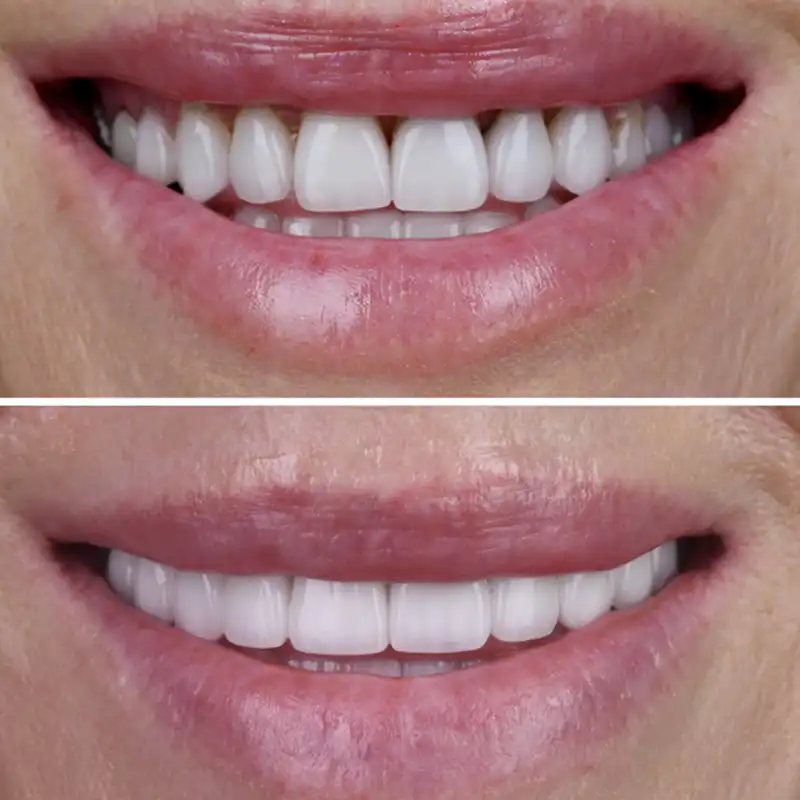
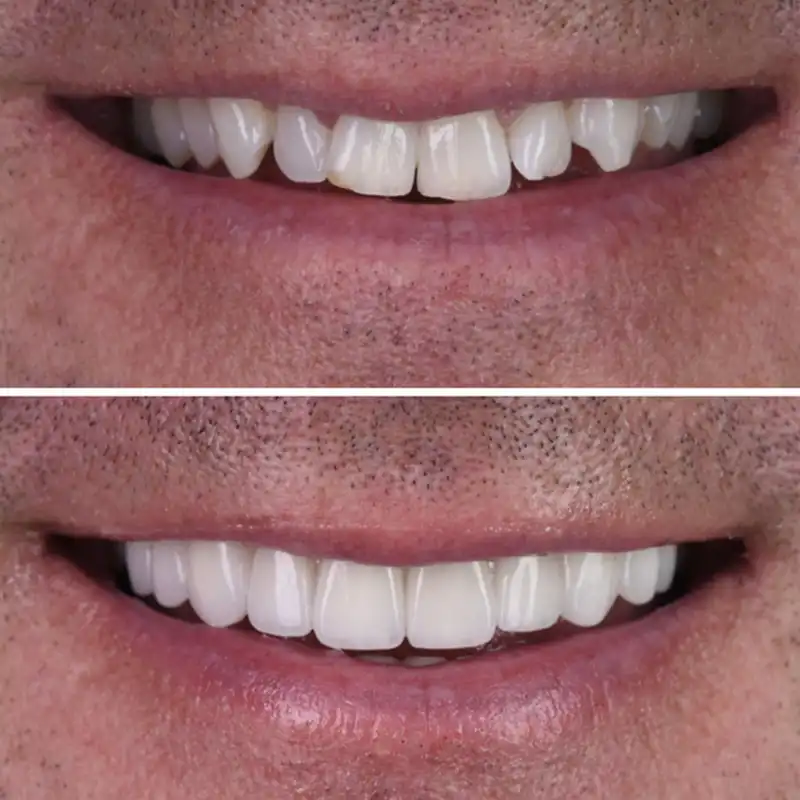
TMJ Treatment in Las Vegas, NV
Vegas Smile Suite offers specialized treatments to alleviate pain, improve function, and enhance quality of life. Dr. Michaela Tozzi and Dr. Tom Lawler offer comprehensive TMJ treatments. Our technology, custom therapies, and a focus on client comfort to provide lasting relief for TMJ-related issues. With custom night guards, laser therapy, and facial aesthetics, Vegas Smile Suite is committed to delivering personalized care.
- Looking for more information about TMJ Therapy? Read below.
Understanding Temporomandibular Joint (TMJ) Disorders
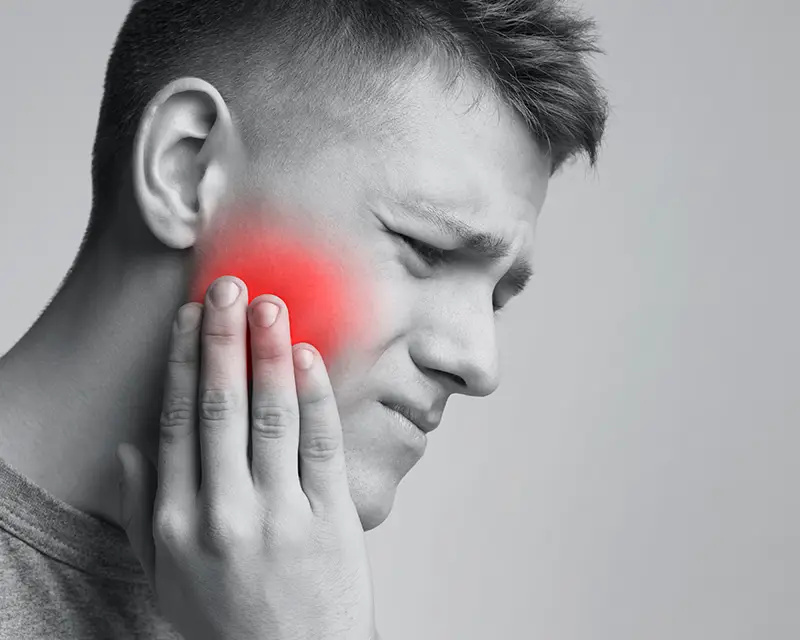
TMJ affects the joint connecting the jawbone to the skull, resulting in discomfort, pain, and functional issues. They affect everyday life, making eating and speaking challenging. TMJ disorders include joint dislocation, arthritis, and internal maladies. These conditions often cause jaw clicking, popping, and restricted movement, affecting a person’s quality of life.
TMJ disorders cause secondary issues, such as chronic headaches, neck pain, and sleep disturbances. Understanding and managing TMJ dysfunction is essential for well-being.
Symptoms and Diagnosis of TMJ Disorders
Common Symptoms
TMJ disorder symptoms include:
- Persistent jaw pain or discomfort
- Clicking or popping sounds when moving the jaw
- Limited jaw movement or locking
- Earaches, headaches, and facial pain
Diagnosing TMJ Disorders
Early diagnosis and intervention prevent progression and reduce chronic pain. Vegas Smile Suite provides accurate assessment, using diagnostic tools like X-rays, MRI scans, and dental examinations to understand each client’s condition.
Dental examination assesses the structure, alignment, and functionality of the jaw and teeth. We use X-rays, CT scans, or MRIs to obtain a detailed view of the joint and surrounding structures. Range of motion testing determines how far the individual opens and closes the jaw and checks for clicking or popping sounds.
Non-Surgical TMJ Treatment Options at Vegas Smile Suite
Custom Night Guards and Oral Appliances
Splints or night guards prevent grinding, reduce jaw tension, and relieve pressure. They align the teeth and prevent further damage. At Vegas Smile Suite, each appliance is custom-made, providing comfort and optimal support.
Neuromuscular Dentistry
Neuromuscular dentistry analyzes jaw position, bite, and muscle balance. By evaluating alignment and creating treatments, it improves TMJ symptoms.
Botox Injections for TMJ Relief
Botox relaxes the muscles that control jaw movement and reduces tension and pain. It is helpful for jaw clenching or grinding. To maximize results, Botox is combined with other therapies at Vegas Smile Suite.
Orthodontic Treatment for Jaw Alignment
Misaligned teeth or an improper bite put undue pressure on the TMJ. Orthodontic treatments such as braces or clear aligners reposition teeth and correct bite issues, reducing TMJ strain.
Laser Therapy for TMJ Pain Relief
Laser therapy is minimally invasive. It reduces inflammation and promotes tissue healing. At Vegas Smile Suite, laser therapy is part of a broader treatment plan and enhances the effects of other interventions.
Facial Aesthetics and TMJ Treatment
Vegas Smile Suite combines facial aesthetics with TMJ treatment. TMJ issues cause facial asymmetry, tension in the jaw, and even stress-related lines around the mouth and cheeks. Botox serves dual purposes: it alleviates TMJ while enhancing facial aesthetics. Botox injections relieve muscle tension, enhance jaw alignment, and improve facial symmetry. This combination makes Vegas Smile Suite a one-stop destination for individuals seeking functional and cosmetic treatments.
Causes of TMJ
Teeth Grinding (Bruxism)
Bruxism is a primary cause of TMJ. The repetitive motion places strain on the jaw joint and muscles, leading to inflammation and pain. Bruxism wears down teeth and exacerbates the symptoms.
Jaw Injury or Trauma
An injury or trauma to the jaw dislocates or damages the temporomandibular joint, causing pain and dysfunction. Many injuries impact the alignment of the jaw and surrounding muscles.
Arthritis and TMJ
Osteoarthritis and rheumatoid arthritis damage the cartilage in the joint, leading to inflammation, discomfort, and limited movement.
Stress and Muscle Tension
Stress causes jaw clenching or tightening of facial muscles, which creates strain on the TMJ and leads to chronic pain and dysfunction.
Poor Posture’s Impact on Jaw Alignment
Poor posture may lead to misalignment of the jaw. Sitting hunched over a desk alters head position, straining the TMJ and causing jaw and neck pain.
Non-Surgical TMJ Treatment Options
Pain Management Techniques
Applying heat or cold packs alleviates pain and inflammation. Heat therapy relaxes tense muscles and improves blood flow, while cold therapy reduces swelling and numbs discomfort.
Use of Anti-inflammatory Medications
Over-the-counter (OTC) anti-inflammatory medications, such as ibuprofen or naproxen, reduce pain, albeit only provide short-term relief.
Ultrasound Therapy for TMJ Relief
Ultrasound uses sound waves, increasing blood circulation. It is non-invasive and relaxes muscles around the joint, improving jaw movement and function.
Behavioral and Biofeedback Training
Behavioral therapy is about managing stress. Breathing, meditation, and progressive muscle relaxation reduce tension and alleviate TMJ symptoms.
Biofeedback training uses sensors to monitor muscle activity in the jaw, allowing clients to become more aware. Individuals learn to control and reduce clenching or grinding habits.
Surgical TMJ Treatment Options
Arthrocentesis (Joint Lavage)
Arthrocentesis is a minimally invasive procedure in which sterile fluid is injected into the joint to cleanse inflammatory byproducts and alleviate pain. It is used when the jaw is locked or in cases of excessive inflammation.
Arthroscopy
Arthroscopy uses a small camera (arthroscope). Through small incisions, the surgeon removes scar tissue, repositions the joint, or addresses damaged cartilage. Arthroscopy is less invasive and offers a shorter recovery time.
Open-Joint Surgery (Arthrotomy)
Arthrotomy is used for severe cases of TMJ maladies. The surgeon accesses the TMJ, removes the damaged tissue, repairs joint structures, or corrects bone abnormalities. It has a longer recovery time and a higher possibility of complications.
Addressing Common TMJ Concerns and Recovery
- Pain and Discomfort During Treatment: Non-invasive options, such as laser therapy and Botox, are generally painless. Surgical treatments are performed under anesthesia to ensure comfort.
- Results and Longevity: Treatments like custom night guards, Botox, and laser therapy offer relief that can last from several months to years. Maintaining results may require follow-up treatments and lifestyle adjustments.
- Recovery: Recovery varies by treatment type. Minimally invasive procedures like arthroscopy involve shorter healing times, while open-joint surgery requires extended recovery. Post-surgery, swelling, stiffness, or discomfort are common and managed with medication and physical therapy.
Alternative Therapies for TMJ
- Chiropractic Care: Chiropractic adjustments correct misalignments, reduce pressure on the TMJ, and alleviate inflammation and discomfort.
- Herbal Remedies, Supplements, and Dietary Changes: Anti-inflammatory herbs like turmeric, ginger, and magnesium for muscle relaxation help ease TMJ symptoms. Omega-3-rich foods reduce inflammation, while avoiding hard, chewy foods prevents joint strain.
- Massage Techniques: Targeted massage around the jaw and neck improves blood flow and eases muscle tension. Myofascial release techniques help relieve stiffness and TMJ discomfort.
- Yoga and Relaxation: Yoga and deep breathing exercises promote stress relief and reduce stress-related jaw clenching.
- Essential Oils: Peppermint and lavender oils offer pain relief and relaxation. Diluted with a carrier oil, they can be applied topically to reduce pain and swelling.
Insurance and Costs of TMJ Treatment at Vegas Smile Suite
- Insurance Coverage: Medical insurance generally covers surgical procedures and medical exams for TMJ, while dental insurance often covers dental appliances like custom mouth guards. Coverage may also include diagnostic exams, imaging, physical therapy, and injections, though some out-of-pocket expenses may apply for physical therapy, chiropractic care, and medications.
- Payment Plans and Financing: Vegas Smile Suite provides financing options and assists clients in documenting treatments, submitting claims, and understanding billing codes to enhance claim success.
Risks and Complications of TMJ Treatments
- Side Effects of TMJ Medications: NSAIDs and muscle relaxants may cause stomach upset, drowsiness, or dependency risks. Consulting a healthcare provider can help manage and understand these risks.
- Potential Complications of TMJ Surgery: Surgical interventions for TMJ may lead to complications such as infection, nerve damage, or joint stiffness.
- Allergic Reactions to Injections: Allergic reactions to treatments like Botox may occur. Disclosing your medical history and allergies beforehand is essential, and symptoms such as swelling or breathing difficulty should be monitored after the procedure.
- Long-Term Impact of Oral Appliances: While effective for TMJ relief, prolonged use of oral appliances can alter bite alignment. Regular check-ups ensure proper fit and help monitor for any complications.
Post-Treatment Care for TMJ
- Follow-Up Appointments: Regular follow-ups assess recovery and treatment effectiveness, allowing for adjustments to optimize outcomes.
- Jaw Mobility Exercises Post-Surgery: Gentle exercises, guided by a provider, restore jaw mobility and prevent stiffness without overstraining the healing area.
- Preventing Recurrence of TMJ Symptoms: Avoid habits that stress the TMJ, adopt stress-relief practices, wear mouth guards as needed, and manage triggers like stress through lifestyle changes and adequate sleep.
- Dietary Guidelines During Healing: Choose soft, nutrient-rich foods such as smoothies, mashed vegetables, and oatmeal to reduce jaw strain. Avoid hard, chewy, or sticky foods to prevent irritation.
- Long-Term Care and Maintenance: Practice jaw exercises, avoid clenching due to stress, and maintain regular dental check-ups to ensure sustained relief and prevent further complications.
Comprehensive Care at Vegas Smile Suite
Dr. Michaela Tozzi and Dr. Tom Lawler are specialists in TMJ diagnosis and treatment. With state-of-the-art technology and personalized care, we have established a trusted name in TMJ treatment in Las Vegas.
We understand that TMJ disorders impact physical and mental well-being. Vegas Smile Suite offers a complete solution, from custom night guards and laser therapy to Botox and advanced surgical options.
Your Path to TMJ Relief - TMJ Treatment in Las Vegas, NV
Vegas Smile Suite is committed to delivering high-quality, compassionate care. We offer a comprehensive path to TMJ relief. Schedule a consultation with Vegas Smile Suite and begin your journey toward pain-free living.
FAQ's
At Vegas Smile Suite, the most effective treatment for TMJ (temporomandibular joint) disorders depends on the severity and specific symptoms. Common treatments include:
- Custom-Made Oral Appliances: Also known as splints or mouthguards, these devices help alleviate jaw tension and prevent teeth grinding.
- Botox Injections: Botox can relax the muscles around the jaw, reducing pain and discomfort.
- Physical Therapy: Exercises and techniques to strengthen and stretch the jaw muscles can provide relief.
- Medication: Anti-inflammatory drugs, muscle relaxants, or pain relievers may be prescribed to manage symptoms.
- Lifestyle Modifications: Stress reduction techniques, dietary changes, and avoiding excessive jaw movements can help.
Permanently fixing TMJ often involves a combination of treatments tailored to the individual’s condition. At Vegas Smile Suite, we provide a comprehensive approach that may include:
- Orthodontic Treatment: Correcting bite alignment issues that contribute to TMJ problems.
- Surgical Intervention: In severe cases, arthroscopy, open joint surgery, or joint replacement may be necessary.
- Long-Term Use of Oral Appliances: Consistent use of custom-made devices to manage symptoms.
- Ongoing Physical Therapy: Continued exercises to maintain jaw function and reduce tension.
While some cases can achieve long-term relief, managing the condition with regular follow-ups and lifestyle adjustments is essential.
If TMJ is left untreated, it can lead to several complications, including:
- Chronic Pain: Persistent discomfort in the jaw, face, neck, and shoulders.
- Jaw Locking: Difficulty opening or closing the mouth.
- Worn Teeth: Increased wear and tear on teeth due to grinding or clenching.
- Headaches: Frequent tension headaches or migraines.
- Hearing Problems: Ringing in the ears (tinnitus) or hearing loss.
At Vegas Smile Suite, we emphasize the importance of addressing TMJ symptoms early to prevent these complications and improve your quality of life.
It is often best to consult a dentist with experience in TMJ disorders for initial evaluation and treatment. At Vegas Smile Suite, our dental professionals diagnose and manage TMJ issues. However, for complex cases, we may collaborate with other healthcare providers, such as ENT specialists, neurologists, or physical therapists, to ensure comprehensive care. This multidisciplinary approach helps address all aspects of the condition for the best possible outcome.
Smile Design
From emergencies, to cleanings, to full smile makeovers, we do it all. There’s no need to refer you to another dentist, Vegas Smile Suite has you covered. From emergencies, to cleanings, to full smile makeovers, we do it all…
Related services